


Why Do Gas Jet Burners Wear Out? Top 5 Signs It’s Time for Replacement
- restaurantequipmen67
- Sep 8, 2025
- 7 min read
Updated: Sep 10, 2025
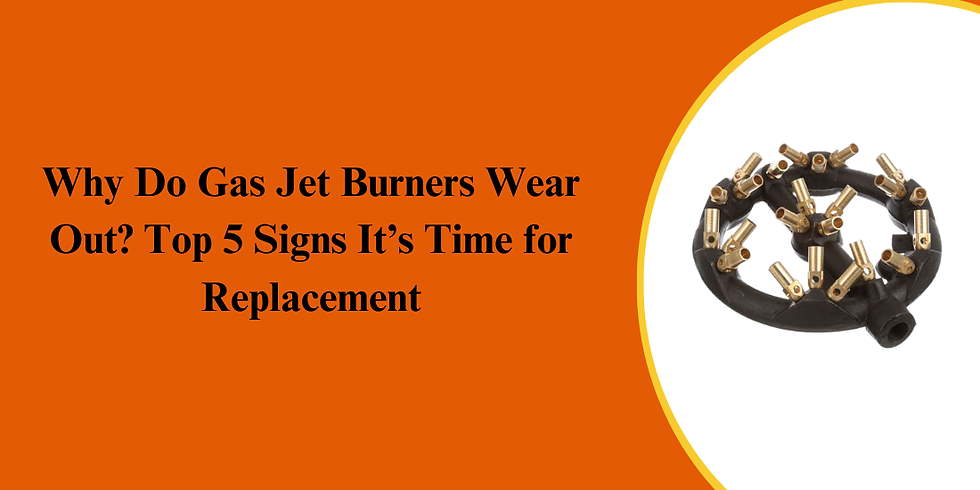
A gas jet burner is designed to deliver consistent heat and reliable performance, but like any component exposed to high temperatures and constant use, it eventually wears down. Continuous exposure to flame, residue buildup, and structural stress all contribute to its decline. When a gas jet burner starts showing signs of failure, efficiency drops and safety risks increase if left unaddressed. Knowing why burners wear out and recognizing the warning indicators can help you decide whether cleaning, repairs, or replacement is the right step. This insight ensures smoother operation and prevents unexpected interruptions in cooking or heating tasks.
5 Warning Signs of a Worn-Out Gas Jet Burner
Recognizing the warning signs of a worn-out gas jet burner is crucial for maintaining safe and efficient operation. Ignoring these indicators can lead to inefficient fuel use, uneven heating, or complete system failure. Identifying early symptoms allows timely maintenance or replacement, preventing more serious complications.
Sign: 1. Gas Jet Burner Won’t Ignite
One of the most obvious and alarming signs is when the gas jet burner won’t ignite. This may occur even after multiple attempts and proper gas supply. A burner failing to ignite can indicate clogged ports, worn electrodes, or internal corrosion. Immediate inspection is recommended, as persistent ignition problems can compromise overall performance and safety.
Sign: 2. Irregular or Weak Flame
A healthy gas jet burner should produce a steady, blue flame. If the flame appears flickering, uneven, or yellow-tipped, it signals incomplete combustion or buildup within the burner. Weak or irregular flames reduce heating efficiency and increase the risk of carbon monoxide production in confined spaces.
Sign: 3. Unusual Sounds During Operation
Hissing, popping, or sputtering noises are often warning signs that the burner is not functioning correctly. These sounds can result from gas flow obstruction, loose connections, or worn components. Paying attention to these auditory signals helps prevent potential hazards and ensures the system operates smoothly.
Sign: 4. Visible Corrosion or Physical Damage
Rust, cracks, or other physical deterioration on the burner surface indicates that the component is approaching the end of its functional life. Even minor corrosion can disrupt gas flow or ignition, further contributing to inefficiency and safety concerns.
Sign: 5. Strong Gas Odor or Leakage
Detecting a noticeable gas smell near the burner suggests leaks or compromised seals. This is a critical warning sign requiring immediate action. Prolonged exposure to leaking gas can be hazardous and may also signal that the burner’s structural integrity has been compromised.
The Risks of Ignoring a Worn Gas Jet Burner
Neglecting a gas jet burner’s condition can escalate minor wear into major performance, efficiency, and safety issues, making timely inspection, maintenance, or replacement essential to prevent serious risks.
1. Failure to Ignite
A primary risk is that the gas jet burner won’t ignite, leaving you with a nonfunctional system. Repeated ignition failures not only interrupt operations but can also indicate internal blockages, electrode wear, or corrosion. Ignoring this problem can lead to complete system failure, making it unsafe and inefficient.
2. Increased Fire and Explosion Hazards
A worn burner may develop cracks, leaks, or misalignments that allow unburned gas to escape. Gas accumulation in confined spaces poses a significant fire and explosion risk. Ignoring these warning signs greatly increases the likelihood of dangerous incidents, especially in settings with constant gas use.
3. Poor Combustion and Soot Formation
Worn burners often produce weak or uneven flames, leading to incomplete combustion. This not only reduces heating efficiency but also generates excess soot. Over time, soot accumulation can damage surrounding components and create a maintenance burden that is more costly than early intervention.
4. Frequent Operational Interruptions
A declining gas jet burner can cause sudden flame outages, irregular heating, or inconsistent gas flow. Such disruptions can delay processes, affect output quality, or force repeated shutdowns. Ignoring minor irregularities often results in more frequent and severe operational interruptions.
5. Increased Gas Consumption
Inefficient combustion from a worn burner forces the system to use more gas to achieve the same output. Over time, this leads to higher operational costs and unnecessary waste, which could be avoided by timely replacement or servicing.
6. Equipment Damage
Continuing to operate with a deteriorated burner can damage connected components. Heat irregularities, flame instability, and soot buildup can affect surrounding parts, creating expensive repair requirements.
How to Replace a Worn Gas Jet Burner Safely and Effectively
Replacing a worn gas jet burner is necessary when issues like weak flames, soot buildup, or repeated ignition failures persist. If the burner won’t ignite despite cleaning, timely gas burner jet replacement ensures safe and reliable operation.
Step 1: Prepare for Replacement
Before beginning, turn off the gas supply and disconnect any electrical connections to eliminate hazards. Ensure the area around the burner is clear of combustible materials. Using proper protective gear, including gloves and safety glasses, is highly recommended.
Step 2: Remove the Worn Burner
Carefully detach the existing burner from its mounting points. Pay attention to the orientation and connections, including electrodes and gas lines, as proper alignment is crucial for the new installation. Note any debris or corrosion that may need attention before proceeding.
Step 3: Inspect and Clean Related Components
Even with a new burner, surrounding components can affect performance. Perform gas burner jet cleaning on the gas nozzle, electrode, and burner housing to remove soot, dirt, or corrosion. Inspect gas lines and valves for leaks or damage. Addressing these elements ensures the replacement functions efficiently.
Step 4: Install the New Gas Jet Burner
Position the new burner correctly and secure it according to manufacturer instructions. Reconnect gas lines and electrodes, ensuring all seals are tight to prevent leaks. Correct alignment is essential for proper ignition and flame stability.
Step 5: Test the Burner
Restore the gas supply and attempt ignition. A properly installed burner should light quickly and produce a steady, blue flame. If the burner struggles to ignite or shows an uneven flame, double-check connections, and repeat cleaning if necessary.
Step 6: Final Safety Check
Observe the burner for several minutes to ensure consistent operation. Check for gas leaks and unusual noises, which could indicate misalignment or connection issues. Only once the system operates smoothly is the replacement complete.
Step 7: Verify Gas Pressure
Check that the gas supply pressure matches the burner’s specifications. Incorrect pressure can prevent ignition, cause weak flames, or reduce efficiency. Adjust the regulator or consult a professional if needed.
Step 8: Align Burner Ports Properly
Ensure that the burner’s gas ports are fully aligned with the ignition source. Misaligned ports can cause delayed ignition, flame instability, or uneven heating. Proper orientation ensures reliable performance.
Step 9: Inspect the Ignition Electrode Gap
The spark electrode must be correctly positioned relative to the burner. An incorrect gap can lead to ignition failures. Adjust the electrode spacing according to manufacturer recommendations.
Step 10: Apply a Leak Test
After installation, perform a soap-and-water test on all gas connections to check for leaks. Bubbling indicates a potential gas leak, which must be resolved before operation.
Step 11: Run a Burn-In Test
Operate the burner at low and medium settings for a few minutes to confirm stability and consistent flame behavior. Observe for flickering, sputtering, or soot accumulation that may indicate further cleaning or adjustment is needed.
Step 12: Document Maintenance and Replacement
Record the date of replacement, burner model, and any adjustments made. Maintaining records helps track future wear patterns and ensures timely inspections or replacements in the future.
Step 13: Train Operators or Users
If the burner is part of a system used by multiple operators, ensure they are aware of proper ignition procedures, flame monitoring, and emergency shutdown protocols to prevent misuse after replacement.
Step 14: Schedule Regular Inspections
Even after replacement, plan routine checks and gas burner jet cleaning to maintain optimal operation and prevent premature wear. Regular inspection reduces the risk of ignition issues or inefficient combustion.
Step 15: Consider Professional Assistance for Complex Systems
For high-capacity or integrated systems, professional replacement ensures compliance with safety standards and correct installation, reducing long-term risks and improving operational reliability.
Choosing a Suitable Replacement for Your Gas Jet Burner
Selecting the right replacement ensures efficient operation and reduces future issues. Consider the following points:
Match Specifications
Ensure the new burner matches the original size, gas type, and pressure requirements.
Check Ignition Compatibility
Proper alignment of electrodes prevents situations where the gas jet burner won’t ignite.
Assess Durability
Choose materials resistant to corrosion and wear for long-term reliability.
Plan for Maintenance
Ensure the burner allows easy gas burner jet cleaning to maintain performance.
Follow Manufacturer Guidelines
Proper gas burner jet replacement and installation ensures safe, efficient operation.
Preventive Maintenance to Avoid Gas Jet Burner Failures
Regular preventive maintenance ensures consistent performance and reduces the risk of unexpected failures. Key steps include:
1. Routine Inspection
Check for corrosion, cracks, or debris that may cause the gas jet burner to not ignite. Early detection prevents costly downtime.
2. Gas Burner Jet Cleaning
Remove soot, dirt, and buildup from burners, electrodes, and nozzles to maintain efficient combustion.
3. Monitor Flame Quality
Observe flame color and stability. Yellowing, flickering, or uneven flames indicate the need for cleaning or adjustment.
4. Check Gas Connections
Inspect lines and seals for leaks or wear. Proper connections support safe operation and prevent ignition failures.
5. Timely Replacement
If repeated issues persist despite cleaning, consider gas burner jet replacement to restore optimal performance.
6. Document Maintenance
Keep records of inspections, cleaning, and replacements to track wear patterns and plan future upkeep.
A worn gas jet burner can compromise safety, consistency, and fuel efficiency if left unaddressed. By recognizing early warning signs and understanding when cleaning is no longer effective, you can make informed decisions about repair or replacement. Ignoring persistent issues often leads to operational setbacks and higher long-term costs. Choosing the right replacement ensures performance remains stable and reliable across daily use. Whether you manage a commercial kitchen, laboratory, or industrial workspace, staying proactive with burner maintenance and timely upgrades supports smoother operations and fewer disruptions. A well-maintained gas jet burner is essential to maintaining consistent output and safety standards.
PartsFe UK delivers coffee machine, oven, and fryer parts for food catering businesses with quick shipping and returns to help maintain smooth equipment operation.


Comments